
For a long time, I believed that a restaurant-quality omelette was a feat of culinary engineering reserved for professional chefs.
I usually ended up with a plate of “scrambled eggs with stuff,” which tasted fine but lacked that elegant, golden half-moon shape.
The truth? The secret isn’t a special skill it’s just knowing when to stop stirring and when to let the heat do the work.
This high-protein, healthy omelette is the ultimate “fast food.” It’s quicker than a bowl of cereal, uses whatever is lingering in your fridge, and is forgiving enough for the groaggiest Monday morning.
Whether you’re fueling up for a workout or teaching a little one how to whisk, this is the only omelette method you’ll ever need.
Why You’ll Love This Recipe
Lightning Fast: Five minutes from the first crack of an egg to the first bite.
The Ultimate “Fridge Clearer”: It turns leftover veggies, the last slice of ham, or a handful of herbs into a gourmet meal.
High Protein & Healthy: A natural powerhouse of nutrition that keeps you full until lunch.
Stress-Free Cooking: No fancy flipping required. If the fold isn’t perfect, it’s still a delicious breakfast.
The Ingredient Breakdown
The Egg Base
Fresh Eggs: Use as many as your hunger demands (usually 2 or 3).
Butter or Oil: For a non-stick glide and flavor.
Seasoning: A pinch of salt and pepper.
Optional Splash: A teaspoon of milk or water for a touch of creaminess or fluff.
Popular Fillings
Cheese: Shredded cheddar, goat cheese, or feta.
Proteins: Cooked bacon, ham, or even beans.
Veggies: Sautéed mushrooms, spinach, diced tomatoes, or leftover roasted vegetables.
Freshness: Chopped chives, parsley, or cilantro.

Step by Step: How to Nail the Fold
1. The Prep
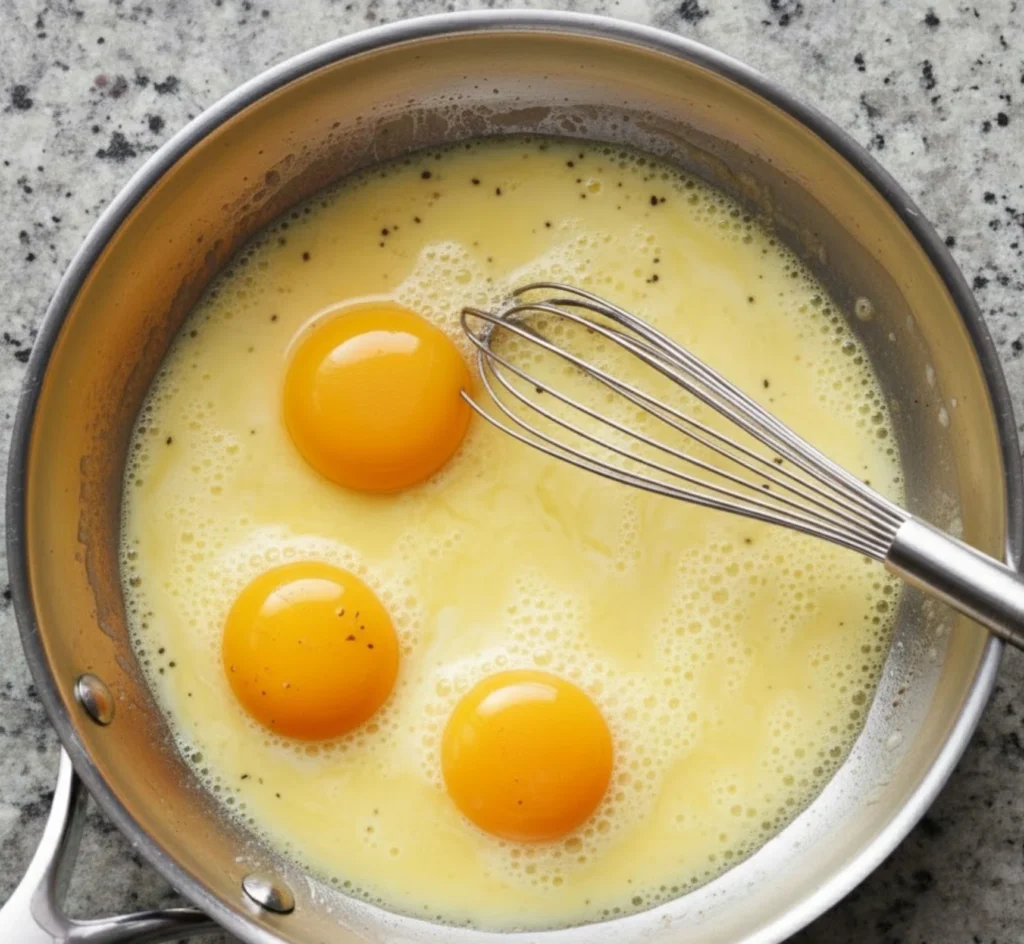
Crack your eggs into a small bowl and whisk until no streaks remain. Add your salt, pepper, and milk (if using). Heat your butter in a non-stick pan over medium-low heat until it’s shimmering. Have your fillings chopped and ready by your side—this moves fast!
2. Set the Foundation
Pour the eggs into the hot pan, tilting it to cover the entire surface. Stop stirring. Let the eggs sit undisturbed for about 30 seconds. Once the edges start to set, use a spatula to gently push the cooked edges toward the center, tilting the pan so the raw egg flows into the empty spaces.
3. Fill and Fold
When the eggs are almost set but the top still looks slightly wet/shiny, scatter your fillings over exactly one half of the omelette. Don’t overfill, or it won’t close! Use your spatula to flip the empty half over the filled half.
4. The Slide
Don’t let it sit in the pan, or it will turn rubbery. Immediately slide the omelette onto your plate. The residual heat will finish cooking the “wet” center to perfection.

Smart Swaps & Variations
The Healthy Swap: Use egg whites only for a lighter, fluffier version, or swap butter for cooking spray or olive oil.
The “Western” Classic: Diced ham, bell peppers, and sharp cheddar.
The Veggie Garden: Spinach, mushrooms, and goat cheese (a great way to sneak greens into breakfast!).
The Dairy-Free: Skip the cheese and milk entirely; use nutritional yeast for a cheesy flavor without the dairy.
Essential Tools
A Reliable Non-Stick Pan: This is non-negotiable for a clean slide.
A Silicone Spatula: Flexible enough to get under the eggs without tearing them.
A Small Bowl & Whisk: For a perfectly uniform egg base.

High protein, healthy Omelette Recipe
Ingredients
- 2-3 whole eggs – Fresh room temp preferred
- 1 teaspoon butter or oil – For greasing pan
- 1 pinch salt – To taste
- 1 pinch black pepper – To taste
- 1 tablespoon milk or water optional – For fluffiness or creaminess
- ¼-½ cup fillings – Cheese cooked meat sautéed vegetables, herbs, etc.
Instructions
- Beat the eggs with salt, pepper, and milk or water until fully combined.
- Warm butter or oil in a non-stick pan over medium-low heat until melted.
- Pour the eggs into the pan, let them set briefly, then gently push the edges inward.
- When eggs are mostly set, add fillings to one side and fold the omelette over.
- Slide the omelette onto a plate and serve immediately while it’s still warm.
Patience. Once the eggs hit the pan, resist the urge to keep stirring. Let the base form so you have a sturdy “blanket” to hold your fillings.
You don’t need either, but milk adds richness while water creates steam, which can make the omelette a bit fluffier. If you want the purest egg flavor, just use eggs and a little butter.
Avoid “wet” ingredients like raw, watery tomatoes or raw onions. Sauté your veggies first to remove excess moisture so your omelette doesn’t become soggy.
Honestly? You shouldn’t. Omelettes are meant to be eaten fresh. Leftover eggs get tough and rubbery when reheated. If you must save it, eat it within 24 hours and reheat very gently in a pan.