
When it comes to Italian cuisine, few things capture the essence of freshness quite like a vibrant green Basil Pesto.
Whether it’s tossed into pasta, spread over a crispy slice of artisan toast, or used as a bold sandwich spread, pesto is a kitchen staple that brings a burst of summer to any meal.
While store bought jars are convenient, they often lack the punchy aroma, electric green color, and nuanced flavor of a batch made from scratch.
Many home cooks struggle with their pesto turning dark or losing its fragrance, but with a few professional techniques, you can master the art of the perfect pesto.
In this comprehensive guide, we will walk through an foolproof method to create professional grade Basil Pesto at home, We will also explore three quick ways to use your fresh batch: a classic pasta, a gourmet avocado toast, and a hearty sandwich.
The Secret to Vibrant Green Pesto
The biggest challenge with pesto is oxidation. Basil is delicate; the moment it is chopped or exposed to heat, it begins to turn brown.
Traditionally, pesto is made using a mortar and pestle to avoid generating heat, but that can be time consuming.
To achieve that professional “color pop” using modern appliances, we use a technique called Blanching. By briefly dipping the basil leaves in boiling water and immediately “shocking” them in ice water, we lock in the chlorophyll. This ensures your pesto stays bright green for much longer without compromising the flavor.
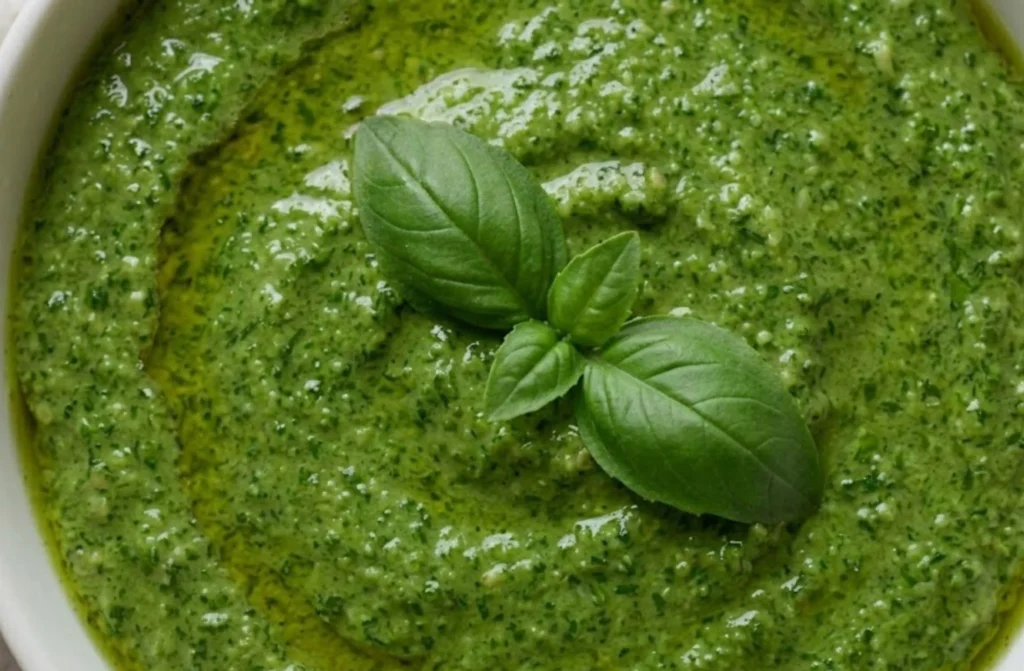
Ingredients
For the Basil Pesto:
Fresh Basil Leaves: 2 cups, packed. (Look for Sweet Italian Basil).
Cashews: 12 whole pieces. (Traditionally Pine Nuts are used, but toasted cashews offer a creamy, accessible, and cost-effective alternative. You can also use walnuts or almonds).
Garlic: 1 medium clove. (One is enough you want the basil to shine, not be overpowered by raw garlic).
Parmesan Cheese: 2 tablespoons, freshly grated. (If possible, use a block of Parmigiano-Reggiano for the best salty, nutty depth).
Extra Virgin Olive Oil: 1/3 to 1/2 cup. (The quality of oil matters here use a cold-pressed oil for the best mouthfeel).
Sea Salt: A tiny pinch. (Be careful, as the cheese is already salty).
For the Pasta Variation:
Dry Pasta: 8 oz (Fusilli/Spirals, Penne, or Spaghetti work great).
Pasta Water: 1/4 cup (reserved from the boiling pot).
Lemon Juice: 1 teaspoon (optional, for acidity).
Extra Parmesan: For garnish.
For the Avocado Toast Variation:
Sourdough Bread: 2 thick slices.
Ripe Avocado: 1 large.
Cherry Tomatoes: Handful, halved.
Feta Cheese: Crumbled, for garnish.
Black Pepper: Freshly cracked.
For the Paneer/Cheese Sandwich Variation:
Indian cottage cheese: 1 thick slab (can substitute with Halloumi or Fresh Mozzarella).
Sandwich Bread: 2 slices.
Romaine or Iceberg Lettuce: Shredded.
Tomato: Sliced.
Olive Oil & Butter: For toasting.
Step by Step Instructions
Phase 1: Preparing the Nuts & Basil
Toast the Nuts: Place the cashews in a small pan over medium low heat. Lightly toast them until they are fragrant and pale golden. Remove from the pan and let them cool completely to room temperature.
The Blanching Step: Bring a pot of water to a rolling boil. Prepare a separate bowl filled with ice and cold water.
Shock the Greens: Drop the fresh basil leaves into the boiling water for just a few seconds. Immediately remove them with a strainer and plunge them into the ice water.
Dry Thoroughly: Once cooled, squeeze the basil leaves firmly to remove all excess water. This prevents your pesto from becoming watery.
Phase 2: Blending the Pesto
Combine Ingredients: In a food processor or a small chopper, add the blanched basil, toasted cashews, garlic clove, grated Parmesan cheese, and a pinch of sea salt.
Emulsify with Oil: Pour in the extra virgin olive oil.
Pulse, Don’t Puree: Pulse the mixture in short bursts. You want to combine the ingredients into a smooth, emulsified sauce without overworking it. Excessive blending creates heat, which can dull the flavor and color.
Check Consistency: The oil should be perfectly incorporated into the greens, creating a velvety, thick sauce.
Phase 3: Using Your Pesto (Three Ways)
1. The 10-Minute Pesto Pasta
Boil your pasta in salted water until al dente (usually 8-9 minutes).
Important: Before draining, reserve a small cup of the starchy pasta water.
Place the drained pasta in a large mixing bowl (not back on the hot stove).
Add 2-3 tablespoons of fresh pesto, a squeeze of lemon juice, and a splash of the reserved pasta water.
Toss vigorously. The starch in the water helps the oil and cheese in the pesto emulsify into a creamy sauce that clings to the pasta.
2. Gourmet Avocado Pesto Toast
Toast your sourdough slices with a bit of butter or olive oil until golden brown and crispy.
Spread a generous layer of fresh pesto over the warm bread.
Layer on slices of ripe avocado and halved cherry tomatoes.
Garnish with crumbled feta, a squeeze of lemon, and freshly cracked black pepper.
3. Pesto & Grilled Sandwich
Season a slab of Indian cottage cheese with salt and pepper. Sear it in a pan with a little olive oil until golden on both sides.
Toast your bread and spread pesto on both internal sides.
Build the sandwich with lettuce, tomato slices (seasoned with salt and oil), and the warm seared paneer.
Close the sandwich and serve for a protein packed, flavorful lunch.
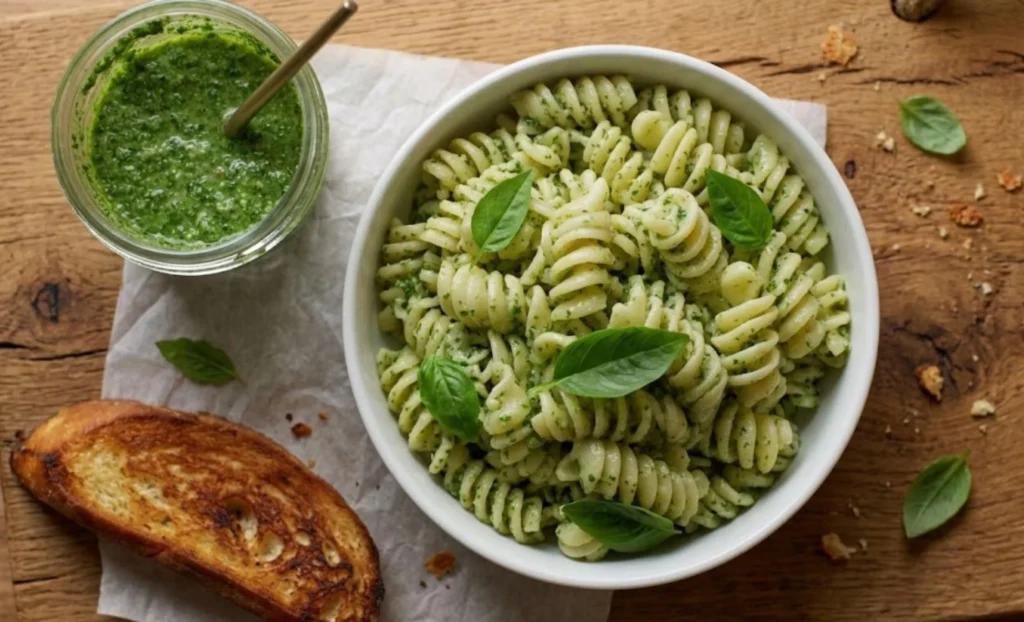
Storage Tips
Short Term: Keep in an airtight glass jar in the refrigerator for 2-3 days. To prevent browning, pour a thin layer of olive oil over the top of the pesto to seal it from the air.
Long Term: Spoon the pesto into an ice cube tray and freeze. Once frozen, transfer the cubes to a zip-lock bag. These “pesto cubes” will stay fresh for up to a month. Simply thaw a cube whenever you need a quick flavor boost!
Guide to Homemade Basil Pesto: Bright, Fresh, and Velvety
Ingredients
- The Pesto Base:
- 2 cups Fresh Sweet Basil Leaves tightly packed
- 12 whole Cashews or Pine Nuts/Walnuts
- 1 medium Garlic clove
- 2 tbsp Parmesan Cheese freshly grated
- 1/2 cup Extra Virgin Olive Oil high quality
- 1 pinch Sea Salt
- Alternative Add-ins:
- 1 tsp Lemon juice for brightness
- 1/4 cup Starchy pasta water only if making pasta immediately
Instructions
- Toast the Nuts: Place cashews in a dry pan over medium-low heat. Toast for 1–2 minutes until fragrant and pale gold. Remove and cool completely to room temperature.
- The Blanching Setup: Prepare a pot of boiling water and a separate bowl filled with ice-cold water.
- Lock in the Green: Drop basil leaves into the boiling water for exactly 10–15 seconds. Immediately transfer them to the ice bath to stop the cooking process.
- Dry Thoroughly: Remove the “shocked” basil and squeeze firmly between your palms or a clean cloth to remove every drop of excess water.
- Aromatics First: Add the garlic and cooled toasted nuts to a food processor or chopper. Pulse a few times to break them down into a coarse grit.
- Combine & Pulse: Add the dried basil, grated Parmesan, and a pinch of salt to the processor.
- The Emulsion: Pour in the extra virgin olive oil. Use the Pulse setting in short 2-second bursts until the mixture is a velvety, uniform sauce.
- Check Temperature: Stop as soon as it is smooth. Do not over-process; heat from the blades can dull the color and flavor.
- Immediate Use: If making pasta, toss the pesto with warm noodles and a splash of starchy pasta water in a bowl (not a hot pan) to create a creamy coating.
- Storage: Transfer to a glass jar. Pour a thin layer of olive oil over the top to seal out air. Refrigerate for 2 days or freeze in ice cube trays for up to 1 month.
Yes! You can use a traditional mortar and pestle to grind the garlic and nuts into a paste, then work in the basil and oil. This creates a more rustic, chunky texture that many purists prefer.
Toasting removes the raw “beany” flavor of the nut and releases natural oils, providing a much deeper, nuttier profile to the final sauce.
This usually happens if the olive oil is over-blended at high speeds or if the basil was bruised rather than sliced. To avoid this, use the pulse setting and ensure your basil is blanched or very fresh.
Absolutely. Simply swap the Parmesan cheese for 1 tablespoon of nutritional yeast. It provides a similar “cheesy” and savory umami flavor.