There is a specific kind of magic that happens when the robust, earthy notes of a well brewed tea meet the sun drenched, velvety sweetness of a ripe mango.
It isn’t just a beverage; it’s a sensory escape. hosting a vibrant summer brunch, Mango Iced Tea stands as the ultimate artisanal refresher.
In a world dominated by bottled teas laden with high fructose corn syrup and artificial “mango type” flavorings, this homemade recipe is a revelation. By using real fruit pulp and natural sweeteners, you create a drink that isn’t just delicious it’s alive with vitamins and antioxidants.
In this comprehensive guide, we will walk through the 15 minute process of transforming a humble mango and a few tea bags into a vibrant, tropical masterpiece.
Why You’ll Never Go Back to Store Bought
Authentic Fruit Profile: Store bought versions rely on “nectars” that are mostly water and sugar. Using a fresh, mashed mango ensures a thick, silky texture and a flavor that is undeniably tropical.
Health Conscious Hydration: By controlling the sweetener, you avoid the sugar crash associated with commercial sodas. Plus, black tea is a known source of flavonoids, which support heart health.
Complete Customizability: Whether you want a caffeine free herbal version for the kids or a high octane black tea brew to power through the afternoon, this recipe is your canvas.
No Special Equipment: You don’t need a high speed blender or a professional juicer. A simple saucepan and a fork for mashing are all that stand between you and paradise.
The Essentials: Ingredients for 32 oz (4 Cups)
The beauty of this recipe lies in its simplicity. You likely have most of these items in your pantry right now.
The Tea Base: 2 Black Tea bags (or 2 tsp of loose-leaf tea).
Note: You can substitute this with Green Tea for a lighter, more floral notes, or a herbal tea like Hibiscus or Chamomile for a caffeine free treat.
The Liquid Gold: 4 Cups of water (divided for steeping and mashing).
The Star Ingredient: 1 Large ripe mango.
Substitution: If mangoes are out of season, 1 cup of frozen mango cubes or 1 cup of high-quality mango nectar works perfectly.
The Natural Sweetener: 2 tbsp of Raw Honey.
Substitution: Granulated sugar, agave nectar, or maple syrup can be used based on your dietary preference.
Step by Step Instructions: From Fruit to Flute
This process is designed to be efficient, taking only about 15 minutes of active preparation time.
Step 1: The Concentrated Brew
Bring 2 cups of water to a boil. Pour the hot water into a heat-proof pitcher and add your tea bags. Let them steep for 10 minutes. This is longer than a standard cup of hot tea because we want a strong “concentrate” that won’t lose its character once ice is added.
Step 2: Extracting the Essence
While the tea steeps, peel your mango and dice the flesh into small pieces. Place the mango bits into a saucepan with the remaining 2 cups of water. Bring the mixture to a boil, then reduce the heat to low. Simmer for about 10 minutes. As it cooks, use a fork or a potato masher to crush the mango into a thick, vibrant pulp. This “cooking” process releases the natural sugars and creates a deep fruit infusion.
Step 3: The Blend
Place a fine-mesh strainer over your pitcher of brewed tea. Pour the hot mango mixture through the strainer, using a spoon to press all the liquid and fine pulp through while discarding the fibrous bits. Add your 2 tablespoons of honey while the liquid is still warm to ensure it dissolves completely. Stir well.
Step 4: Chill and Serve
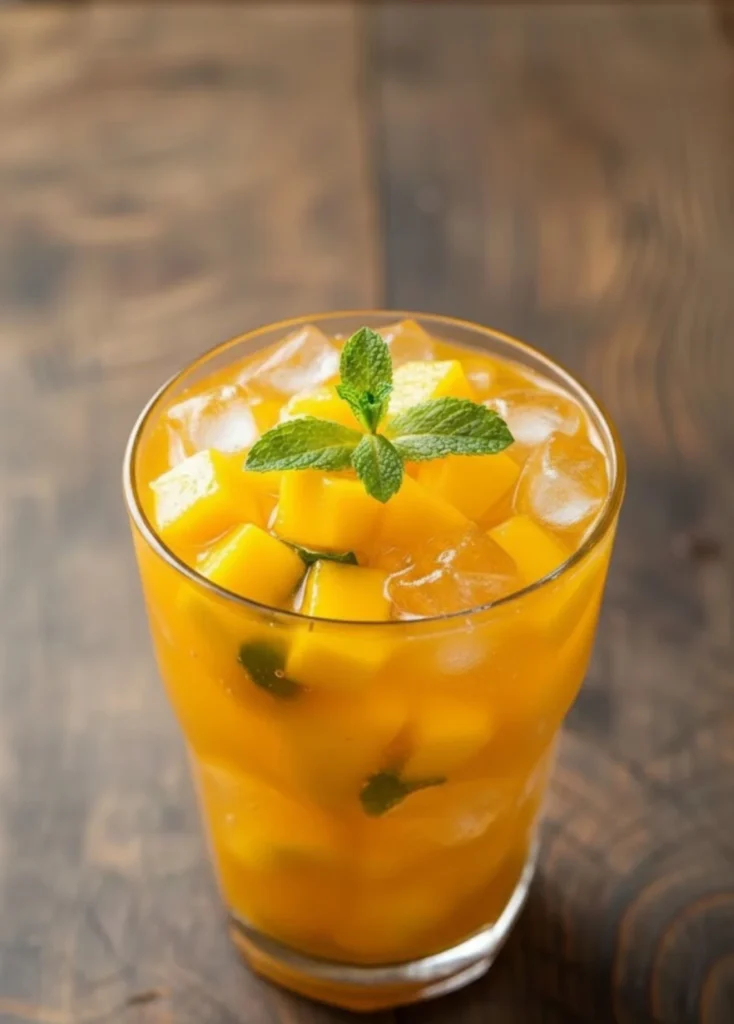
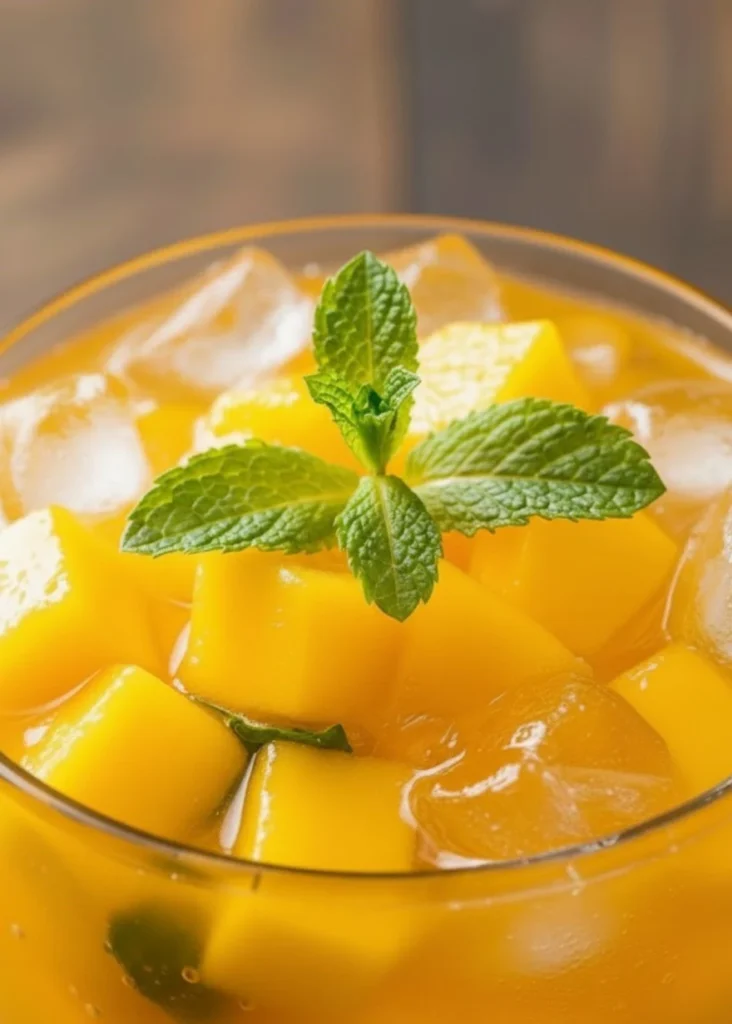
Allow the mixture to cool to room temperature before placing it in the refrigerator. When you are ready to serve, fill a glass to the brim with ice cubes. Pour the mango tea over the ice and garnish with a few fresh mango slices or a sprig of mint.
Expert Tips for the Perfect Pour
Avoid the “Dilution Trap”: As ice melts, it can make your tea taste watery. To combat this, make “Mango Ice Cubes” by freezing mango nectar or a bit of your tea mixture in an ice tray. As they melt, they actually add flavor rather than taking it away.
The Selection Process: Choose a mango that gives slightly when pressed like a ripe peach. In India, varieties like Alphonso or Kesar provide a superior, buttery texture that is perfect for tea.
Clarity vs. Flavor: If you want a perfectly clear tea (like the ones in commercials), strain the mango through a cheesecloth. However, if you want the best flavor, a standard mesh strainer is better as it allows some of the fine fruit solids to remain in the drink.
The “Adult” Twist: If you are serving this at a weekend BBQ or party, this tea acts as an incredible base for a tropical cocktail. A splash of white rum or vodka transforms it into a “Mango Tea Punch.”
Flavor Variations to Try
Once you have mastered the base recipe, try these creative spins:
The Zesty Ginger: Add a 1 inch piece of smashed fresh ginger to the saucepan while simmering the mango for a spicy, digestive-friendly kick.
The Minty Fresh: Slap a handful of fresh mint leaves between your palms (to release the oils) and drop them into the pitcher while the tea is cooling.
The Sparkling Mango: Fill your glass only halfway with the mango tea and top it off with sparkling water or club soda for a fizzy, sophisticated mocktail.
The Green Paradise: Use Jasmine Green Tea as your base. The floral aroma of the jasmine pairs exquisitely with the tropical scent of the mango.
Storage and Freshness
To keep your Mango Iced Tea tasting like paradise, follow these storage guidelines:
Refrigeration: Store in an airtight glass pitcher for up to 4 days.
Separation is Natural: Because we use real fruit, the pulp may settle at the bottom of the pitcher. This is a sign of quality! Simply give the pitcher a vigorous stir before pouring.
Avoid Plastic: If possible, store your tea in glass. Plastic can sometimes absorb the tannins from the tea or the smell of other foods in the fridge, affecting the delicate mango aroma.
Honey Sweetened Mango Iced Tea
Ingredients
- 2 Black Tea Bags or 2 tsp loose leaf tea
- 1 Ripe Mango or frozen mango cubes
- 4 cups Water divided
- 2 tbsp Honey
- Ice
Instructions
- Step 1: The Concentrated Brew
- Bring 2 cups of water to a boil. Pour the hot water into a heat-proof pitcher and add your tea bags. Let them steep for 10 minutes. This is longer than a standard cup of hot tea because we want a strong “concentrate” that won’t lose its character once ice is added.
- Step 2: Extracting the Essence
- While the tea steeps, peel your mango and dice the flesh into small pieces. Place the mango bits into a saucepan with the remaining 2 cups of water. Bring the mixture to a boil, then reduce the heat to low. Simmer for about 10 minutes. As it cooks, use a fork or a potato masher to crush the mango into a thick, vibrant pulp. This “cooking” process releases the natural sugars and creates a deep fruit infusion.
- Step 3: The Blend
- Place a fine-mesh strainer over your pitcher of brewed tea. Pour the hot mango mixture through the strainer, using a spoon to press all the liquid and fine pulp through while discarding the fibrous bits. Add your 2 tablespoons of honey while the liquid is still warm to ensure it dissolves completely. Stir well.
- Step 4: Chill and Serve
- Allow the mixture to cool to room temperature before placing it in the refrigerator. When you are ready to serve, fill a glass to the brim with ice cubes. Pour the mango tea over the ice and garnish with a few fresh mango slices or a sprig of mint.
Boiling the mango with water creates a “syrup” that integrates seamlessly with the tea. Raw blended mango can sometimes create a “slushy” texture that separates quickly and can feel “gritty” on the tongue. Simmering provides a smoother mouthfeel.
Absolutely! If you are concerned about caffeine, simply use a caffeine free herbal tea like Rooibos or a fruit based herbal blend. The natural sweetness of the mango makes it a huge hit with children.
Yes. You can omit the honey entirely, as a very ripe mango is naturally high in sugar. Alternatively, you can use a natural zero-calorie sweetener like Stevia or Monkfruit.