Have you ever wondered why the chicken in high end Asian restaurants is impossibly soft, silky, and juicy, while home cooked boneless chicken often turns out rubbery, stringy, or dry? The secret isn’t a special brand of poultry; it’s a professional culinary technique called Velveting.
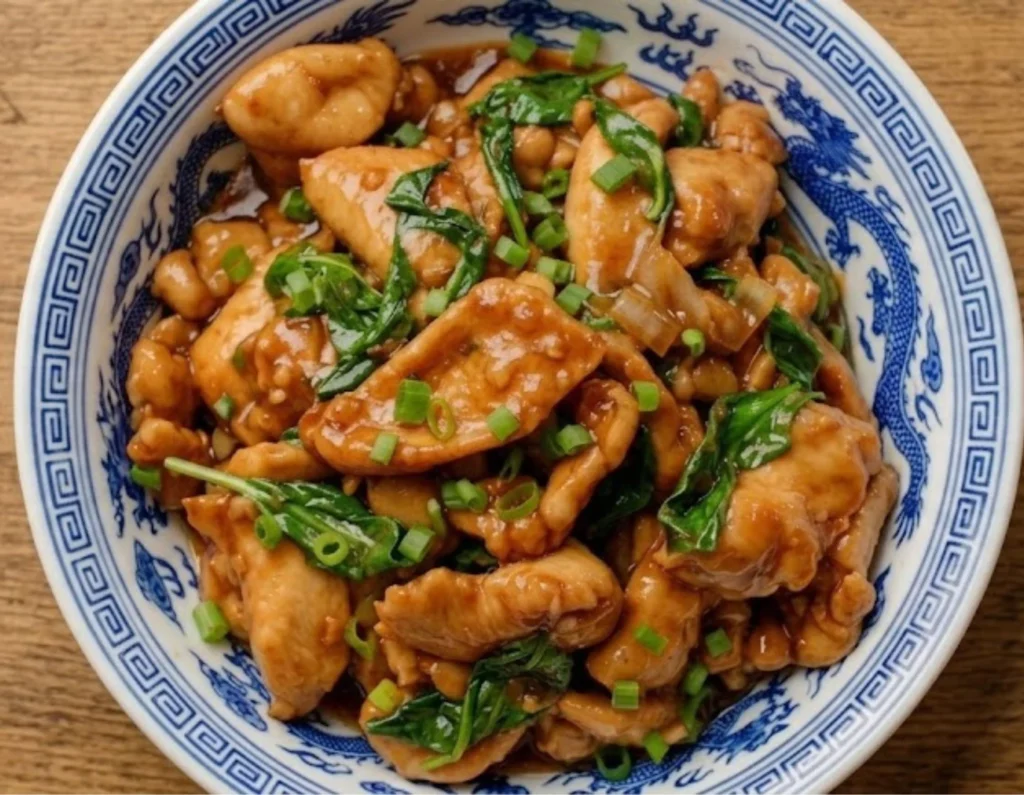
In this guide, we are diving deep into the art of velveting to create a restaurant quality Chili Basil Chicken. This dish is a masterclass in balance: the heat of the chilies, the savory depth of soy sauce, and the aromatic sweetness of fresh basil, all coating chicken that literally melts in your mouth.
Whether you are looking for a show-stopping appetizer or a gourmet weeknight dinner, this recipe will change how you cook chicken forever.
You can find every ingredient at your local grocery store while maintaining the authentic technical precision required for professional results.
The Secret: What is Velveting?
Velveting is a traditional technique used to protect the delicate proteins of lean meat (like chicken breast) from the high heat of a wok.
By hydrating the meat with water and a tiny pinch of baking soda, and then sealing that moisture in with a thin coat of cornstarch and oil, you create a physical barrier.
When the chicken hits the hot oil, the exterior “velvets” into a silky coating while the interior remains perfectly hydrated. The result is a texture that is light-years ahead of standard sautéed chicken.
Ingredients Breakdown
1. The Chicken Prep (The Foundation)
Chicken Breast: 12 oz (approx. 350g).
Baking Soda: 1 small pinch. (This breaks down the surface proteins for extra tenderness).
Water: 3–4 tablespoons (added in stages).
Cornstarch: 1–2 tablespoons.
Light Soy Sauce: 1 teaspoon.
White Pepper Powder: A pinch.
Neutral Oil: 1 teaspoon (plus more for frying).
Kosher Salt: To taste.
2. The Holy Trinity (Aromatics)
Garlic: 15 cloves, coarsely chopped.
Ginger: 2-inch piece, peeled and coarsely chopped.
Green Chilies: 3 large (Serrano or Thai Bird’s Eye for more heat), chopped.
3. The Vegetables
Green Bell Pepper: 1 small, cut into thin strips (julienned).
Yellow Onion: 1 small, cut into thin wedges/strips to match the peppers.
Scallions (Spring Onions): 3–4, whites and greens separated and chopped.
4. The Savory Sauce & Finishing
Light Soy Sauce: 2 teaspoons.
Dark Soy Sauce: 1 teaspoon (for that rich, mahogany color).
White Vinegar: 1/2 teaspoon.
Sugar: A tiny pinch (to balance the salt).
Cornstarch Slurry: 1 tbsp cornstarch mixed with 2 tbsp water.
Fresh Basil Leaves: 1 large handful (Thai basil is preferred, but Sweet Italian basil works beautifully).
Step By Step Instructions
Phase 1: The Professional Cut
The Slice: Place your chicken breast on the cutting board. Using a sharp knife, slice the chicken as thinly as possible. Hold the breast steady with one hand and cut at a slight angle. The thinner the slice, the more surface area there is for the velvet coating and the sauce.
Uniformity: Ensure the slices are consistent. Thin slices cook in seconds, which is the key to maintaining juiciness.
Phase 2: The Velveting Process
Hydration: Place the sliced chicken in a bowl. Add a pinch of baking soda and 1 tablespoon of water. Mix vigorously with your hand until the chicken absorbs all the water.
Repeat: Add another tablespoon of water and mix again. Repeat this 3–4 times. You will notice the chicken starts to “swell” and look slightly pale and translucent. This means the water has been pulled into the fibers.
The Seal: Once the chicken is hydrated, add the salt, light soy sauce, white pepper, 1 teaspoon of oil, and the cornstarch. Mix well. The chicken should have a very thin, almost invisible coating not a thick batter.
Phase 3: The Flash Fry
High Heat: Heat a wok or a large non-stick skillet over high heat. Add about 1/2 cup of neutral oil.
The Sizzle: Once the oil is shimmering, add the chicken. Spread it out so the slices don’t clump.
Quick Cook: Stir-fry for only 2 to 2.5 minutes. Because the chicken is so thin and hydrated, it cooks nearly instantly.
Drain: Remove the chicken and place it in a strainer or on paper towels. Reserve 2 tablespoons of the frying oil for the next step.
Phase 4: The Final Toss
Sauté Aromatics: In the same wok (cleaned or wiped), add the 2 tablespoons of reserved oil. Add the chopped ginger, garlic, and chilies. Sauté for 30 seconds until fragrant.
The Veggies: Add the onions, bell peppers, and scallion whites. Toss on high heat for 1 minute. You want them to stay crisp tender.
The Seasoning: Pour the light and dark soy sauces around the edges of the wok so they sizzle and caramelize. Add a splash of hot water, white pepper, vinegar, sugar, and a tiny pinch of salt.
Emulsify: Add the cooked chicken back into the wok. Pour in the cornstarch slurry. Toss vigorously on high heat. The sauce will thicken instantly and glaze the chicken.
The Basil Pop: Turn off the heat. Hand-tear the fresh basil leaves and toss them in along with the scallion greens. The residual heat will wilt the basil just enough to release its oils without losing its bright flavor.
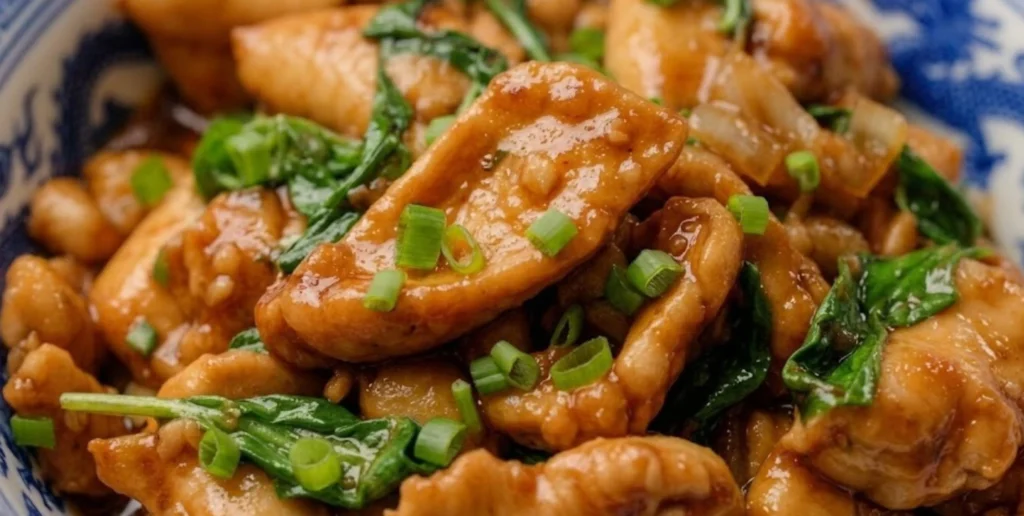

Chili Basil Chicken with the Velvet Technique
Ingredients
- The Velveting Chicken Prep:
- 12 oz 350g Chicken Breast (sliced into very thin strips)
- 1 small pinch Baking Soda
- 3 –4 tbsp Water added gradually
- 1 tsp Light Soy Sauce
- 1 tsp Neutral Oil
- 1 –2 tbsp Cornstarch
- Pinch of White Pepper and Salt
- The Aromatics & Veggies:
- 15 cloves Garlic coarsely chopped
- 2- inch piece Ginger peeled and chopped
- 3 Green Chilies chopped
- 1 small Green Bell Pepper julienned
- 1 small Yellow Onion sliced into thin wedges
- 3 Scallions whites and greens separated
- The Sauce & Finish:
- 2 tsp Light Soy Sauce
- 1 tsp Dark Soy Sauce
- 1/2 tsp White Vinegar
- 1 pinch Sugar
- 1 tbsp Cornstarch mixed with 2 tbsp water Slurry
- 1 large handful Fresh Basil leaves Thai or Sweet Basil
Instructions
- The Professional Cut: Slice the chicken breast into paper-thin strips. Cutting at an angle increases surface area for the velvet coating.
- Hydrate the Meat: In a bowl, mix chicken with baking soda and 1 tbsp water. Massage until the water is fully absorbed. Repeat this 3 times until the chicken looks plump and pale.
- Seal the Moisture: Add salt, light soy sauce, white pepper, 1 tsp oil, and cornstarch. Mix until a very thin, silky film coats each piece.
- The Flash Fry: Heat 1/2 cup oil in a wok until shimmering. Fry the chicken on high heat for only 2 to 2.5 minutes.
- Drain: Remove the chicken and drain the excess oil, leaving about 2 tbsp in the wok.
- Sauté Aromatics: Add garlic, ginger, and chilies to the hot oil. Sauté for 30 seconds until fragrant.
- Toss Veggies: Add onions, bell peppers, and scallion whites. Stir-fry on high heat for 1 minute until crisp-tender.
- Build the Sauce: Pour light and dark soy sauces around the edges of the wok to caramelize. Add a splash of hot water, vinegar, sugar, and white pepper.
- Glaze: Return the fried chicken to the wok. Pour in the cornstarch slurry and toss vigorously until the sauce thickens and glazes the meat.
- The Basil Finish: Turn off the heat. Hand-tear the fresh basil leaves and toss them in with the scallion greens. The residual heat will wilt the basil perfectly.
- Serve: Plate immediately. This dish is best enjoyed hot while the basil is aromatic and the chicken is at its softest.
Yes! Thighs are naturally juicier and work great. However, the velveting technique is specifically designed to make lean chicken breast taste as tender as thighs, so it’s a great way to save on calories while keeping the flavor.
Light soy sauce provides the salt and “umami” seasoning. Dark soy sauce is thicker and less salty; its main purpose is to provide that deep, rich color and a subtle molasses-like sweetness.
It is highly recommended. Baking soda raises the pH level of the meat’s surface, making it more difficult for the proteins to bond tightly during cooking. This is what gives the chicken that soft, “velvety” bite. Just don’t use too much, or it will affect the taste!
Absolutely. A wide, heavy-bottomed non-stick skillet is a great substitute. The key is to keep the heat as high as possible and cook in small batches if necessary to avoid crowding the pan.