In the modern fast paced world, the quest for a dinner that is simultaneously healthy, flavorful, and incredibly quick can often feel like an impossible challenge.
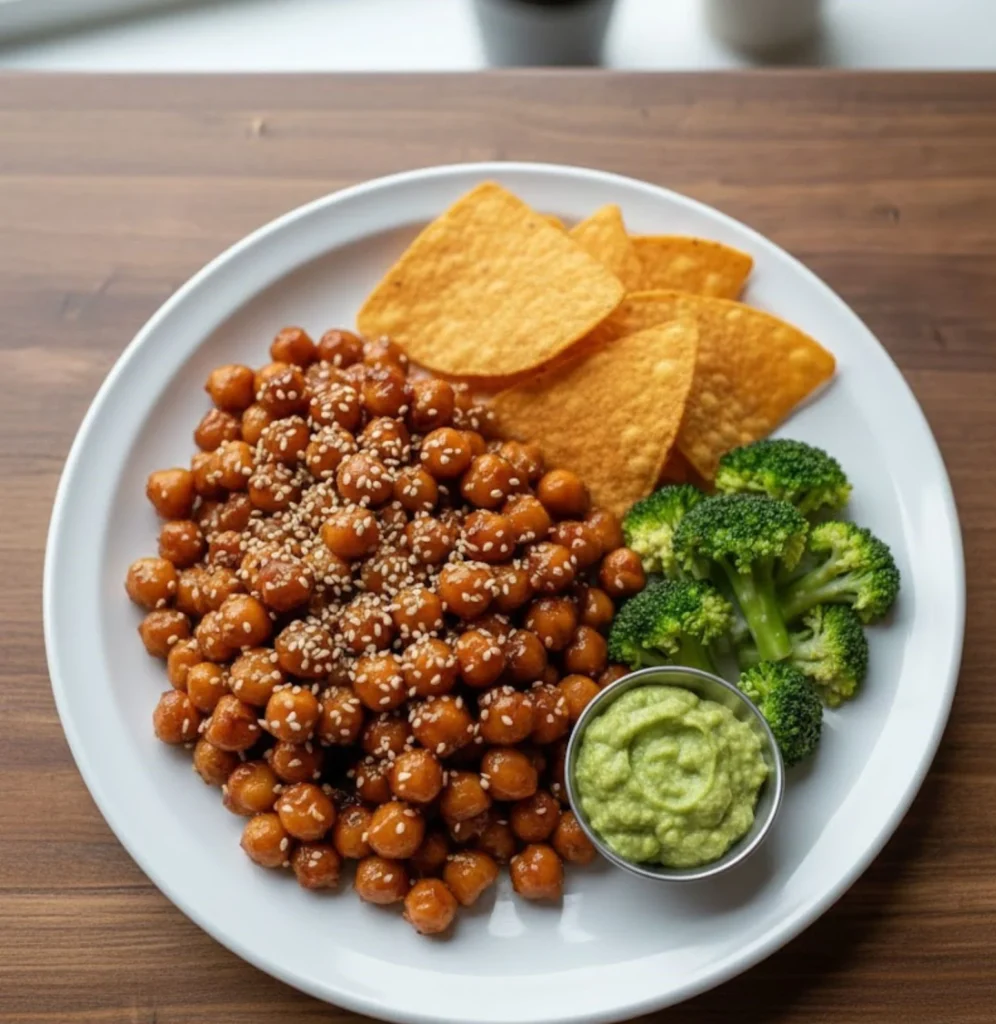
Enter the Vegan Sticky Sesame Chickpea a dish that has taken the plant-based community by storm. This recipe isn’t just a meal; it’s a strategic solution for busy weeknights, a star player for meal preppers, and a family favorite comfort food that mimics the addictive textures of traditional takeout without the heavy oils or processed sugars.
Whether you are a seasoned vegan or simply looking to incorporate more “Meatless Mondays” into your routine, these sticky chickpeas provide a high protein, fiber rich alternative that satisfies the deepest cravings for savory, sweet, and umami flavors.
In just 15 minutes, you can transform humble pantry staples into a glossy, restaurant-quality masterpiece.
Why This Recipe is a Weeknight Game Changer
There are several reasons why this specific preparation of chickpeas has become a viral sensation in home kitchens:
Efficiency at its Finest: From the moment you crack open the can to the moment you plate the dish, only 15 minutes will have elapsed.
A Symphony of Umami: The sauce is a carefully balanced blend of toasted sesame oil, minced garlic, and maple syrup, creating a “sticky” glaze that clings to every crevice of the chickpeas.
Nutritional Density: Chickpeas (garbanzo beans) are the “multivitamins” of the legume world. They are packed with plant protein and complex carbohydrates that keep you full for hours.
The Ultimate Meal Prep Hero: Unlike many stir fries that go soggy, these chickpeas actually improve after a day in the fridge as they continue to absorb the nuances of the ginger and garlic.
Essential Tools for Success
Before we dive into the ingredients, let’s talk about the hardware. Having the right tools ensures that your 15-minute window remains stress-free.
Large Sauté Pan: Surface area is your friend. A wide pan allows the moisture in the sauce to evaporate quickly, turning a watery liquid into a thick, sticky glaze.
Garlic Press: While you can hand mince, a press breaks down the cellular walls of the garlic, releasing more of the essential oils that provide that signature punch.
Small Mixing Bowl & Whisk: Essential for the “slurry.” Tapioca starch must be fully hydrated in cold liquid before hitting the heat, or you will end up with clumps.
The Ingredient Breakdown
Every ingredient in this recipe serves a specific functional or flavor purpose.
The Base
2 (15-ounce) Cans Chickpeas: The protein core. Ensure they are drained and rinsed to remove excess sodium and starchy liquid (aquafaba).
3-4 Large Garlic Cloves: Don’t be shy with the garlic. It provides the aromatic foundation.
1 tbsp Avocado or Olive Oil: Used for the initial sauté. Avocado oil is preferred for its high smoke point.
The “Liquid Gold” Sauce
1.5 tbsp Toasted Sesame Oil: This is where the “nutty” aroma comes from. Ensure it is toasted for maximum depth.
1/3 cup Low Sodium Tamari or Soy Sauce: Tamari keeps the dish gluten-free while providing the salt and umami.
3 tbsp Maple Syrup: The primary sweetener that caramelizes to create the “sticky” texture.
2 tsp Rice Vinegar: A touch of acidity to cut through the richness of the sesame oil.
1/2 tsp Ground Ginger: Adds a subtle warmth and floral note.
1/2 tsp Red Pepper Flakes: Optional, but highly recommended for a balanced heat.
The Thickener (The Slurry)
1 tbsp Tapioca Starch: A grain-free thickener that creates a clear, glossy coating.
1/4 cup Low Sodium Vegetable Broth (Divided): Used to create the starch slurry and to provide the bulk of the sauce liquid.
Crispy Vegetarian Lentil Meatballs
Bbq Glazed Tofu Steak Bao Sliders
Step by Step Instructions to Perfection
1. Preparation of the Legumes
Begin by draining both cans of chickpeas. Rinse them thoroughly under cold running water. This step is vital—it removes the “canned” taste and ensures the sauce sticks to the skin of the chickpea rather than sliding off due to residual canning liquid. Let them sit in a colander to air-dry slightly.
2. Sautéing the Aromatics
Add your avocado oil to the sauté pan over medium heat. Once the oil shimmers, add your minced garlic. Sauté for approximately 60 to 90 seconds. You are looking for a golden hue and a fragrant aroma; avoid browning the garlic too deeply, as it will turn bitter.
3. The Tapioca Slurry
In your small mixing bowl, combine the tapioca starch with exactly half (2 tablespoons) of the vegetable broth. Whisk vigorously until the starch is completely dissolved. Set this aside.
4. Building the Flavor Profile
To the pan with the sautéed garlic, add the soy sauce (or tamari), toasted sesame oil, maple syrup, rice vinegar, ground ginger, and the remaining vegetable broth. Whisk directly in the pan to integrate the oils with the water-based liquids.
5. The Thickening Phase
Give your tapioca slurry one last quick stir (starch tends to settle at the bottom) and pour it into the pan. Stir constantly. Within a minute, you will see the liquid transition from a thin soup to a bubbling, translucent glaze.
6. Coating the Chickpeas
Fold in the drained chickpeas. Stir them gently but thoroughly, ensuring every single bean is enveloped in the sauce.
7. The Sticky Finish
Reduce the heat to low. Let the chickpeas simmer in the sauce for about 5 minutes. This is the “magic” phase where the sugars in the maple syrup and the starches work together to create a tacky, sticky texture.
8. Resting
Remove the pan from the heat and let it stand for 2-3 minutes. This allows the chickpeas to “relax” and absorb the flavors into their center, rather than just having the flavor on the outside.
How to Serve: Creative Plating Ideas
The beauty of Vegan Sticky Sesame Chickpeas lies in their versatility. Here are four ways to plate this dish:
The Classic Grain Bowl
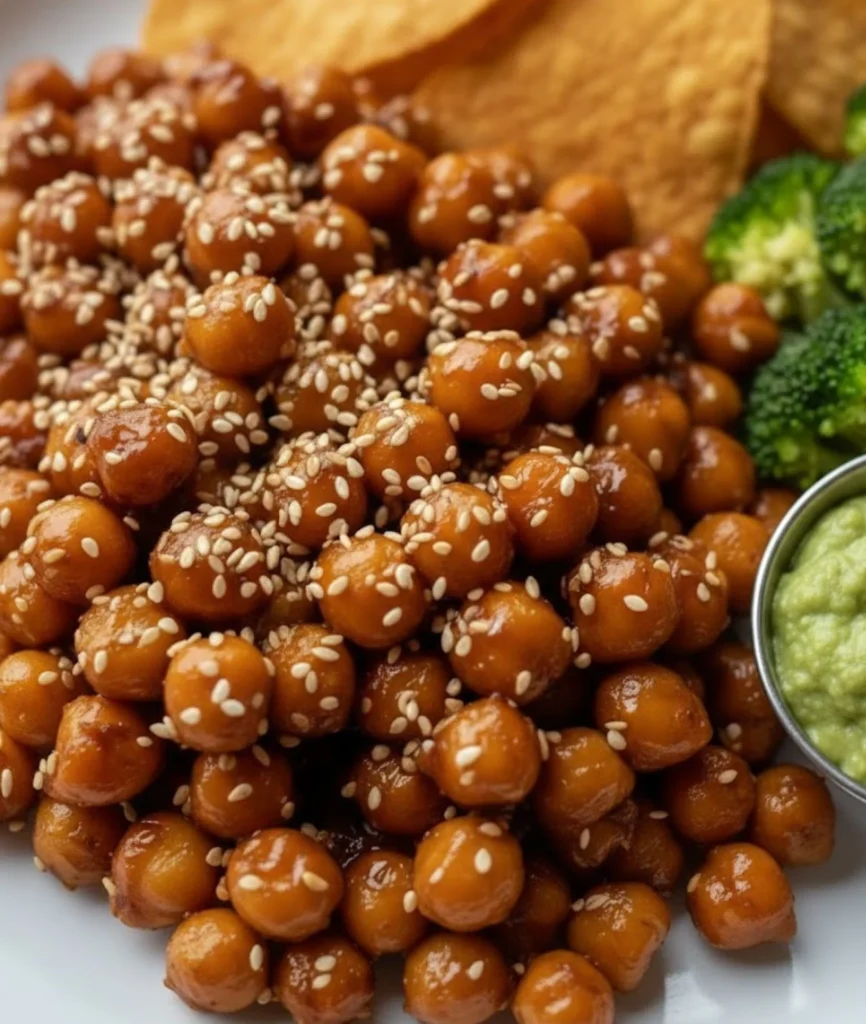
Serve the chickpeas over a fluffy bed of jasmine rice or nutty brown rice. The grains act as a sponge for any excess sauce. Add a side of steamed broccoli or snap peas for a pop of color and vitamin C.
The Low-Carb Refresh
Layer the chickpeas over cauliflower rice or a bed of massaged kale. The warmth of the sauce slightly wilts the kale, making it tender and delicious.
The Asian-Style Noodle Toss
Toss the sticky chickpeas with rice noodles or buckwheat soba noodles. Garnish with a heavy hand of toasted sesame seeds and thinly sliced scallions.
The Protein Wrap
Fill a whole wheat tortilla or a large cabbage leaf with the chickpeas, shredded carrots, and sliced cucumbers for a portable, high-protein lunch.
Common Pitfalls and How to Avoid Them
The “Soggy” Factor: If you don’t rinse and dry your chickpeas, the sauce will become diluted. Ensure they are well-drained.
The “Clumpy” Sauce: Never add starch directly to a hot pan. Always mix it with cold or room-temperature liquid first to create a slurry.
The “Bitter” Garlic: Garlic cooks much faster than the other ingredients. Keep a close eye on it and have your liquids ready to pour in the moment the garlic becomes fragrant to stop the cooking process.
Ignoring the Rest: If you eat them straight out of the pan, the sauce might feel too hot and the chickpeas too firm. That 3 minute rest is essential for the “sticky” mouthfeel.
Storage, Reheating, and Longevity
This recipe is a dream for those who cook on Sundays for the week ahead.
Fridge: Keep in an airtight glass container for up to 4 days. The sauce will thicken further in the cold, so you may want to add a teaspoon of water before reheating.
Freezer: You can freeze these for up to 3 months. Thaw in the refrigerator overnight before reheating.
Reheating: For the best results, use the stovetop. Add the chickpeas to a pan over low heat with a splash of broth to loosen the sauce. If using a microwave, cover with a damp paper towel to prevent the chickpeas from drying out and becoming “poppy” or tough.
Final Thoughts
The Vegan Sticky Sesame Chickpeas recipe proves that plant based eating doesn’t have to be complicated, expensive, or time consuming. By focusing on a few high impact aromatics and the perfect “sticky” sauce technique, you can create a meal that feels like a decadent treat but fuels your body like a superfood.
Give this a try tonight your 15 minute future self will thank you.
Glossy Vegan Sesame Garlic Chickpeas
Ingredients
- 2 cans chickpeas
- 4 cloves garlic
- 1 tablespoon avocado oil
- 1.5 tablespoons toasted sesame oil
- 1/3 cup low sodium tamari
- 3 tablespoons maple syrup
- 2 teaspoons rice vinegar
- 1 tablespoon tapioca starch
Instructions
- Preparation of the Legumes
- Begin by draining both cans of chickpeas. Rinse them thoroughly under cold running water. This step is vital it removes the “canned” taste and ensures the sauce sticks to the skin of the chickpea rather than sliding off due to residual canning liquid. Let them sit in a colander to air-dry slightly.
- Sautéing the Aromatics
- Add your avocado oil to the sauté pan over medium heat. Once the oil shimmers, add your minced garlic. Sauté for approximately 60 to 90 seconds. You are looking for a golden hue and a fragrant aroma; avoid browning the garlic too deeply, as it will turn bitter.
- The Tapioca Slurry
- In your small mixing bowl, combine the tapioca starch with exactly half (2 tablespoons) of the vegetable broth. Whisk vigorously until the starch is completely dissolved. Set this aside.
- Building the Flavor Profile
- To the pan with the sautéed garlic, add the soy sauce (or tamari), toasted sesame oil, maple syrup, rice vinegar, ground ginger, and the remaining vegetable broth. Whisk directly in the pan to integrate the oils with the water-based liquids.
- The Thickening Phase
- Give your tapioca slurry one last quick stir (starch tends to settle at the bottom) and pour it into the pan. Stir constantly. Within a minute, you will see the liquid transition from a thin soup to a bubbling, translucent glaze.
- Coating the Chickpeas
- Fold in the drained chickpeas. Stir them gently but thoroughly, ensuring every single bean is enveloped in the sauce.
- The Sticky Finish
- Reduce the heat to low. Let the chickpeas simmer in the sauce for about 5 minutes. This is the “magic” phase where the sugars in the maple syrup and the starches work together to create a tacky, sticky texture.
- Resting
- Remove the pan from the heat and let it stand for 2-3 minutes. This allows the chickpeas to “relax” and absorb the flavors into their center, rather than just having the flavor on the outside.
Yes. You can sauté the garlic in a tablespoon of vegetable broth or water. However, keep in mind that toasted sesame oil provides the primary flavor profile, so removing it will significantly change the taste.
You can use cornstarch or arrowroot powder in the same 1:1 ratio. The texture will be very similar, though tapioca starch often yields a slightly “shiner” glaze.
Simply ensure you are using Tamari or coconut aminos instead of traditional soy sauce, which contains wheat.
Absolutely. You will need roughly 3 cups of cooked chickpeas (which is the equivalent of two 15-ounce cans). Ensure they are cooked until tender but not mushy before adding them to the sauce.
As written, it is very mild. The red pepper flakes add a background warmth. If you want a “kick,” double the flakes or add a teaspoon of Sriracha to the sauce base.