There is a specific kind of magic that happens on a busy weeknight when the craving for bold, takeout-style flavors strikes.
You know the one the yearning for that perfect balance of crispy, sweet, and just a hint of spicy heat. General Tso’s Chicken is the undisputed heavyweight champion of comfort food, but you don’t need to wait for a delivery driver to experience it.
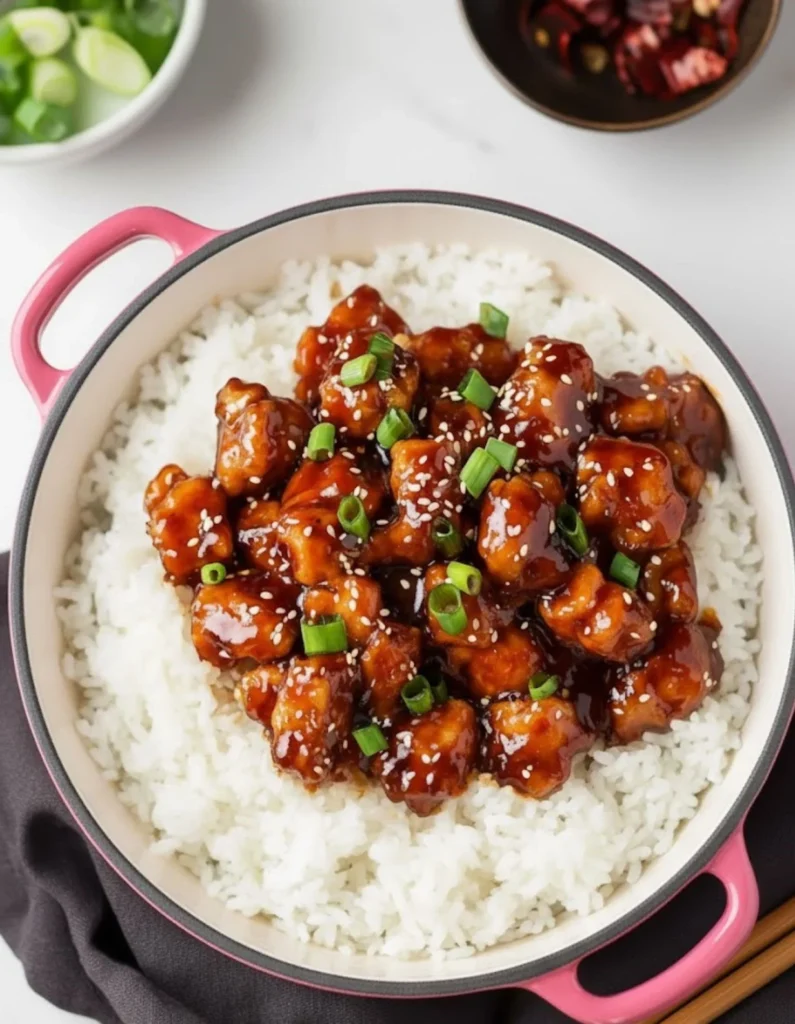
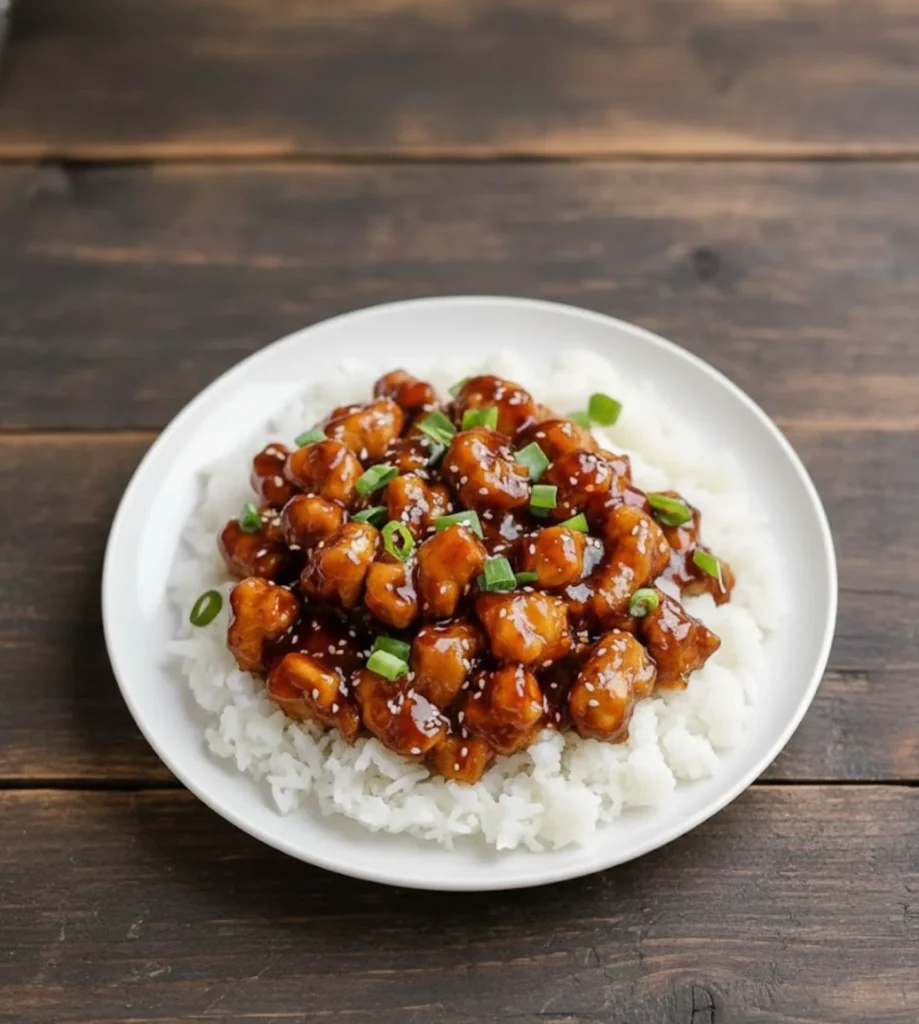
Recreating this iconic dish in your own kitchen is not only possible but surprisingly straightforward. By moving away from uninspired fast food and taking control of the wok yourself, you can transform humble chicken thighs into golden, “shatter-crisp” nuggets coated in a luscious, mahogany colored sauce.
This recipe bridges the gap between a quick weeknight meal and a gourmet feast, ensuring every piece of chicken is juicy on the inside and perfectly glazed on the outside.
High Protein Crispy Parmesan Chicken Tenders
Why This General Tso’s is a Game-Changer
Addictively Balanced: It strikes the perfect chord between savory umami, caramelized sugar, and a gentle zesty tang.
Budget-Friendly: You likely already have most of these pantry staples no expensive specialty items required.
Meal Prep Excellence: This chicken holds up remarkably well, making it a “gold medal” leftover for the next day’s lunch.
Novice-Friendly: No professional culinary degrees are needed; we use a simple dredging and shallow-fry method that works every time.
Homemade Chicken Doner a Flavor Packed Street Food Classic
High Protein Healthy Butter Chicken
The Ingredient Breakdown
For the Chicken
- 1.5 lbs Boneless Chicken Thighs: Thighs are essential here. They contain more moisture than breasts, ensuring the meat stays tender through the high-heat frying process.
- Cornstarch: This is the secret to that “glass-like” crunch. Flour can become doughy; cornstarch creates a thin, crisp shell.
- Ginger & Garlic Powder: Provides an aromatic base without the risk of fresh aromatics burning in the hot oil.
- Salt & Black Pepper: To season the meat from within.
For the Signature Sauce
- Low-Sodium Soy Sauce: The umami backbone. Low-sodium allows you to control the salt levels.
- Rice Vinegar: Provides the essential “tang” that cuts through the sweetness.
- Hoisin Sauce: A thick, fragrant sauce that adds depth and a hint of five-spice complexity.
- The Sugars: A blend of Brown Sugar (for molasses notes) and Granulated Sugar (for a clean sweetness).
- Sesame Oil: Just a touch for that unmistakable nutty aroma.
- Fresh Aromatics: Minced garlic, fresh ginger paste, and red pepper flakes (adjust these to your heat preference).
- Onion Powder: An extra layer of savory “hidden” flavor.
Simple Egg Cottage Cheese Wraps
Step by Step Instructions
1. Prepare the Chicken
Trim your chicken thighs of excess fat and cut them into uniform, bite-sized pieces. This ensures they all cook at the same rate. Place them in a medium bowl.
2. The Coating Ritual
In a separate small bowl, whisk together your cornstarch, salt, ginger powder, garlic powder, and black pepper. Pour this over the chicken and toss vigorously.
Chef’s Tip: Let the coated chicken rest for 5 to 10 minutes. This allows the moisture from the chicken to hydrate the cornstarch slightly, creating a “glue” that prevents the coating from falling off in the pan.
3. Heat the Oil
Pour enough neutral oil (vegetable or canola) into a large frying pan to reach about 1/2 inch depth. Heat over medium high.
4. The Golden Fry
Once the oil is shimmering, fry the chicken in two batches. Overcrowding the pan drops the oil temperature, leading to soggy chicken. Fry for 5–7 minutes per batch, turning occasionally, until the pieces reach an internal temperature of 165ºF. Transfer them to a wire rack to drain. Using a rack instead of a flat plate keeps the bottom of the chicken from steaming and getting soft.
5. Whisk and Simmer the Sauce
Wipe out the pan (carefully!) to remove any burnt cornstarch bits. In a bowl, whisk together all sauce ingredients: soy sauce, vinegar, sugars, hoisin, sesame oil, garlic, and spices. Pour the mixture into the warm pan.
6. The Thickening Phase
Simmer the sauce over medium-high heat, stirring occasionally. As the sugars caramelize and the water evaporates, the sauce will transform from a thin liquid into a thick, glossy glaze. This usually takes about 5 minutes.
7. The Final Toss
Add the crispy chicken back into the pan. Toss quickly to coat every piece in the luscious sauce. Serve immediately over a bed of jasmine rice.
Expert Tips for “Takeout Quality” Results
The “Sizzle” Test: Before adding your chicken, drop a small piece into the oil. If it doesn’t sizzle immediately, the oil is too cold. If it smokes, it’s too hot.
Temperature Control: Thighs are forgiving, but don’t overcook them. The goal is a crispy exterior and a juicy, 165ºF interior.
Fresh vs. Dried: While the recipe uses powders for the chicken coating, always use freshly minced garlic and ginger for the sauce. It makes a world of difference in the final aroma.
Perfect Pairings
To turn this into a full restaurant experience, consider these side dishes:
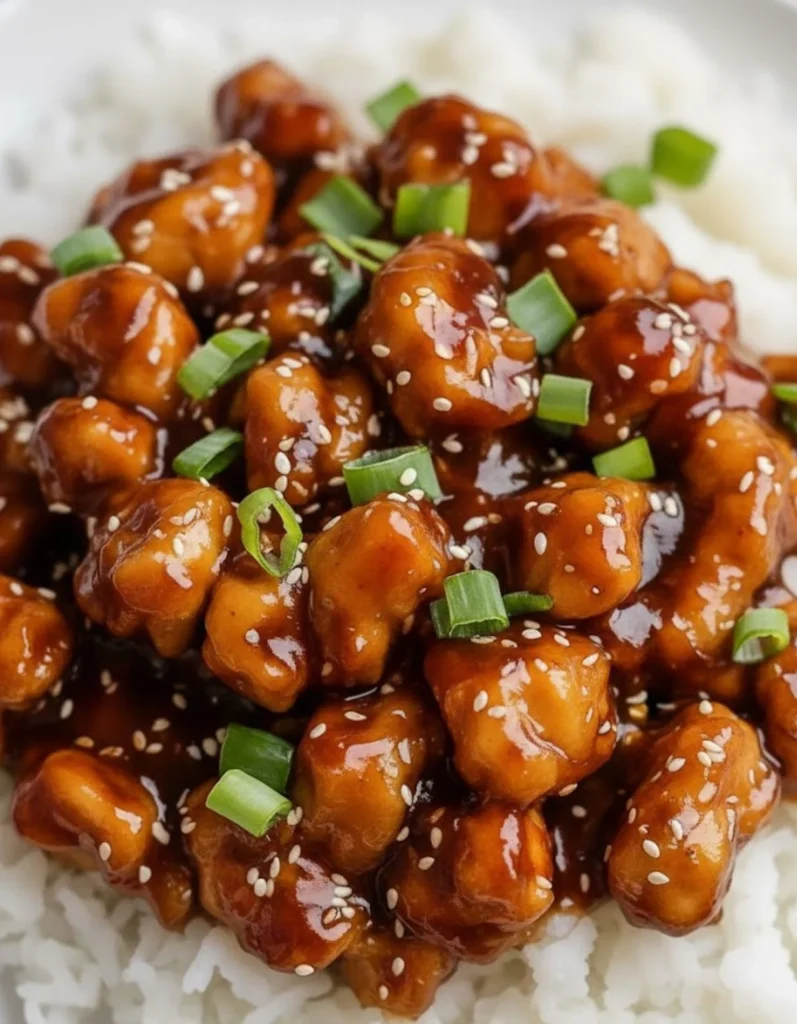
Steamed Jasmine Rice: The fluffy grains are designed to soak up the extra General Tso’s sauce.
Garlic Broccoli: Lightly sautéed broccoli provides a fresh, crunchy contrast to the rich chicken.
Egg Fried Rice: If you’re feeling extra indulgent, the savory peas and eggs in fried rice pair beautifully.
Chilled Green Tea: A perfect palate cleanser between spicy, sweet bites.
Storage, Freezing, and Reheating
Fridge: Keep leftovers in an airtight container for up to 3 days.
Freezer: You can freeze the cooked and sauced chicken for up to 3 months. Thaw it in the fridge overnight.
The Reheat Secret: To bring back the crunch, avoid the microwave if possible. Instead, reheat the chicken in a skillet over medium heat or in an air fryer at 350ºF for 3-5 minutes. This dries out the sauce slightly and recrisps the coating.
Recreating Irresistible General Tso’s Chicken at Home
Ingredients
- For the Chicken
- 1 pound boneless chicken thighs perfect for a juicy tender texture
- 1/2 cup cornstarch adds crispiness
- 1 teaspoon salt enhances natural flavor
- 1 tablespoon ginger for a warm aromatic kick
- 1 teaspoon garlic powder boosts savory profile
- 1/2 teaspoon ground black pepper adds subtle heat
- For the Sauce
- 1/4 cup low sodium soy sauce essential for rich umami flavor
- 2 tablespoons rice vinegar for tanginess
- 1/2 cup water
- 1 tablespoon brown sugar adds essential sweetness
- 1 tablespoon granulated sugar complements brown sugar
- 1 tablespoon hoisin sauce introduces sweetness and depth
- 1 teaspoon sesame oil enhances aroma
- 2 cloves minced garlic brings brightness
- 1/2 teaspoon red pepper flakes adjust to desired spice level
- 1 teaspoon onion powder adds extra layers of flavor
Instructions
- Prepare the Chicken
- Trim your chicken thighs of excess fat and cut them into uniform, bite-sized pieces. This ensures they all cook at the same rate. Place them in a medium bowl.
- The Coating Ritual
- In a separate small bowl, whisk together your cornstarch, salt, ginger powder, garlic powder, and black pepper. Pour this over the chicken and toss vigorously.
- Chef’s Tip: Let the coated chicken rest for 5 to 10 minutes. This allows the moisture from the chicken to hydrate the cornstarch slightly, creating a “glue” that prevents the coating from falling off in the pan.
- Heat the Oil
- Pour enough neutral oil (vegetable or canola) into a large frying pan to reach about 1/2 inch depth. Heat over medium-high.
- The Golden Fry
- Once the oil is shimmering, fry the chicken in two batches. Overcrowding the pan drops the oil temperature, leading to soggy chicken. Fry for 5–7 minutes per batch, turning occasionally, until the pieces reach an internal temperature of 165ºF. Transfer them to a wire rack to drain. Using a rack instead of a flat plate keeps the bottom of the chicken from steaming and getting soft.
- Whisk and Simmer the Sauce
- Wipe out the pan (carefully!) to remove any burnt cornstarch bits. In a bowl, whisk together all sauce ingredients: soy sauce, vinegar, sugars, hoisin, sesame oil, garlic, and spices. Pour the mixture into the warm pan.
- The Thickening Phase
- Simmer the sauce over medium-high heat, stirring occasionally. As the sugars caramelize and the water evaporates, the sauce will transform from a thin liquid into a thick, glossy glaze. This usually takes about 5 minutes.
- The Final Toss
- Add the crispy chicken back into the pan. Toss quickly to coat every piece in the luscious sauce. Serve immediately over a bed of jasmine rice.
Boneless, skinless chicken thighs are the gold standard. They have a higher fat content than breasts, which prevents them from drying out during the high-heat frying process and gives them a much better “mouthfeel.”
If you like a serious “kick,” you can increase the red pepper flakes to a full teaspoon, or add a tablespoon of Sriracha or Sambal Oelek to the sauce mixture. For a truly authentic look, you can also toss whole dried red chilies into the oil right before adding the sauce.
Yes! Swap the soy sauce for Tamari or liquid aminos, and ensure your hoisin sauce is labeled gluten-free. Since we already use cornstarch for the coating, the “crunch” factor is naturally gluten-free.
The sauce thickens as the sugars simmer and reduce. If it’s too thin, keep it at a steady simmer for another 2-3 minutes. If you’re in a rush, you can whisk 1 teaspoon of cornstarch with 1 tablespoon of cold water (a slurry) and stir it into the simmering sauce to thicken it instantly.
You can! For a lighter version, coat the chicken as instructed, spray it generously with oil, and bake at 400°F for 20-25 minutes, flipping halfway through. While it won’t be quite as “shatter-crisp” as the fried version, it is still delicious when tossed in the sauce.